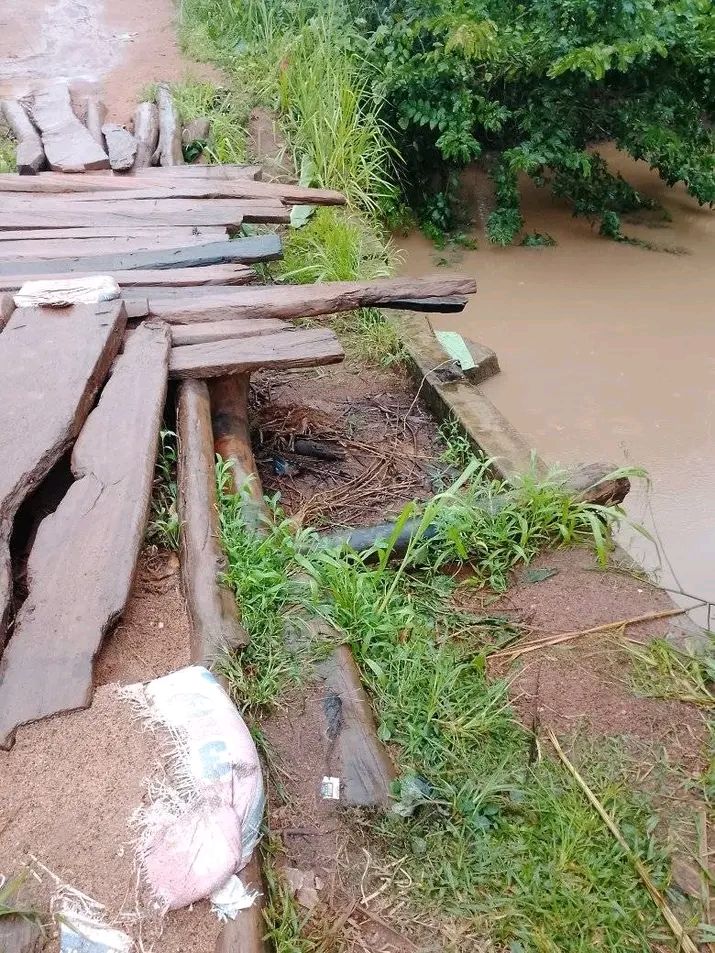
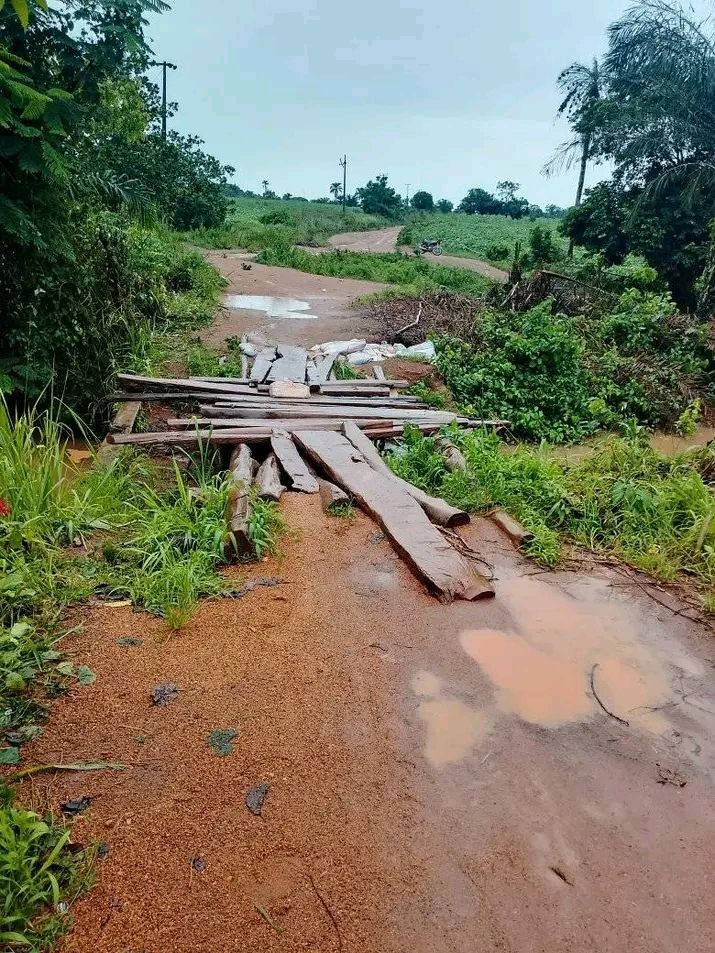
211 Days of Government Inaction: Documenting Infrastructure Neglect in Ilu-Aje, Oyo State Date: December 31, 2025 Location: Itosi River Bridge, Ilu-Aje, Afijio Local Government Area, Oyo State, Nigeria
Executive Summary
This report documents 211 consecutive days of inaction by relevant authorities following a fatal incident linked to the Itosi River bridge in Ilu-Aje. Despite the bridge being a known safety risk and central to daily community movement, no visible remedial action, emergency intervention, or official communication has been undertaken as of the last day of 2025. The continued neglect raises serious concerns regarding infrastructure governance, public safety prioritization, and equity in service delivery, particularly in smaller rural communities.
Background In early June 2025, a tragic incident occurred around the Itosi River bridge in Ilu-Aje, resulting in the loss of life. Following the incident, community members expected at minimum:
- Temporary safety measures
- An official assessment
- A public reconstruction or mitigation timeline
None of these actions have materialized. As of December 31, 2025, 211 days after the incident:
- The bridge remains unsafe
- No warning signage or alternative structure is evident
- No responsible authority has publicly accepted accountability
Findings
- Prolonged Inaction For over seven months, there has been no observable intervention by local or state authorities, despite the bridge’s critical role in transportation, commerce, and emergency access.
- Absence of Transparency No public statement, budgetary explanation, or implementation roadmap has been issued by any relevant ministry, department, or agency.
- Selective Neglect Pattern The silence surrounding Ilu-Aje suggests a broader structural issue: small, rural communities are deprioritized when they lack political visibility, even in matters involving loss of life.
- Ongoing Public Safety Risk The bridge continues to pose a daily hazard to residents, particularly farmers, traders, students, and emergency responders.
Implications Infrastructure neglect of this nature is not merely administrative failure — it constitutes a systemic risk to human life. When known hazards remain unaddressed after documented tragedy, the issue transitions from delay to governance failure. The lack of response also undermines:
- Public trust in government institutions
- Commitments to equitable rural development
- Nigeria’s obligations to protect citizens’ right to safety
Purpose of Documentation This report is not speculative or political. It serves as a formal public record that:
- A life was lost
- A known danger exists
- 211 days elapsed without corrective action
Such documentation is essential for:
- Media investigations
- Civil society advocacy
- NGO monitoring and reporting
- Future accountability processes
Recommendations Relevant authorities are urged to:
- Conduct and publish an immediate safety assessment
- Install temporary protective measures without delay
- Release a clear reconstruction timeline
- Publicly identify the responsible agency
- Commit to transparent reporting until completion
Conclusion As 2025 ends, the Itosi River bridge in Ilu-Aje stands as a case study in how infrastructure failure persists when communities are deemed too small to matter.
The facts are simple and verifiable: For 211 days after a fatal incident, no meaningful action was taken. This report ensures that the silence surrounding Ilu-Aje does not erase the record.