The Alaafin of Oyo, His Imperial Majesty, Oba Abimbola Akeem Owoade I, has issued a stirring charge to the people of Oyo and the Nigerian political class: Face national challenges with the same courage our ancestors used to face the British Empire.
The monarch gave this charge during the grand finale of the week-long memorialization of the 1895 “Ogun Pepe” (The Pepe War)—a historic conflict that defined the resilience of the Oyo Empire against British imperialist rule.
Speaking at the Old Oyo National Park, Oba Owoade emphasized that national stability can only be attained when leaders face problems headlong, refusing to bow to external intimidation.
The History: What was Ogun Pepe?
The war, celebrated 130 years later, marks the 1895 invasion of Oyo by British forces. The name “Ogun Pepe” evolved from the terrifying sound of the Maxim/Gatling gunboats used by the British during the bombardment.
The conflict arose from a clash of sovereignty between the then Alaafin Adeyemi Alowolodu and the British Captain Bower.
- The Incident: A royal messenger, Bakare, was accused of adultery with one of the King’s wives. Under Oyo customary law, he was to be castrated.
- The Conflict: Captain Bower viewed this traditional punishment as an affront to British authority. He demanded that the Alaafin hand over both Bakare and the official (Kudeefu) who executed the punishment.
- The Resistance: To assert his judicial independence and sovereignty, Alaafin Alowolodu refused. He ordered Bakare’s execution and protected Kudeefu.
The refusal led to the bombardment of the Palace. Although wounded, the monarch mysteriously escaped, staying on Owinni Hill for six days before making a triumphant return to his throne—a symbol of the empire’s refusal to be erased.
A Lesson for Modern Nigeria
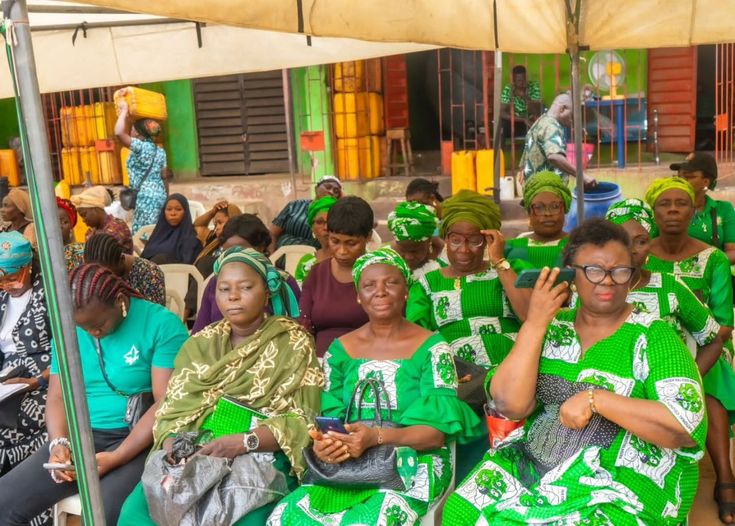
Addressing the crème de la crème of Yoruba society present at the event, Oba Owoade drew a direct line between 1895 and today.
“Ogun Pepe signifies the courage and resilience of the ancient Oyo monarch and his people,” the Alaafin stated. “Even in the face of death and superior weaponry, they stood their ground. They refused to bow to the threat of imperialism.”
He urged Nigerian leaders to emulate this spirit when dealing with modern socio-economic challenges and international pressure.
Voices of Resilience
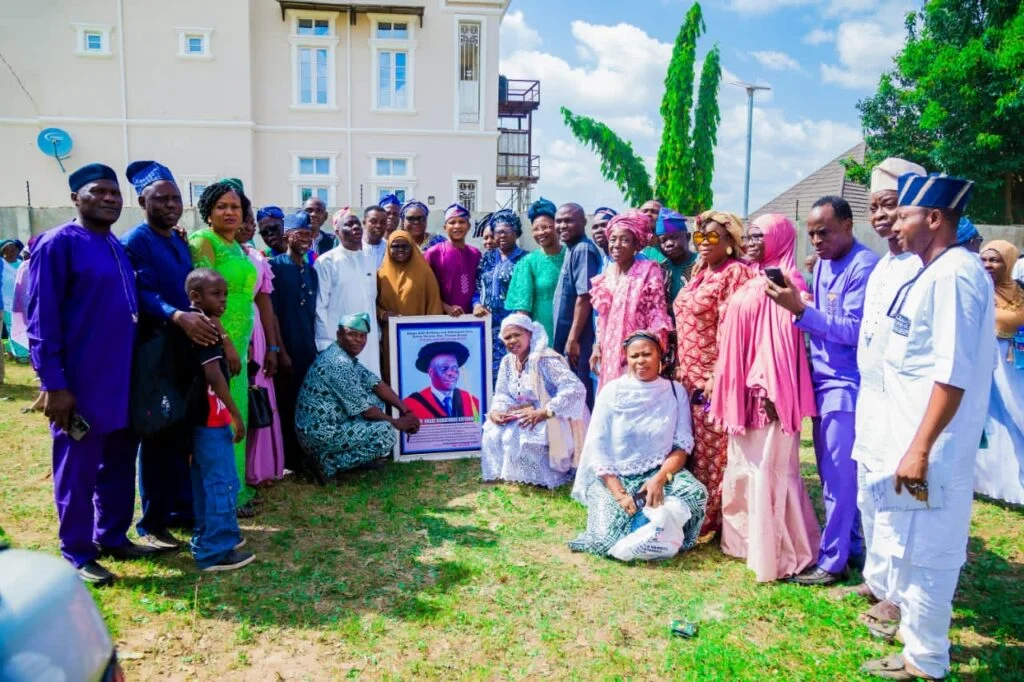
The event was organized by a high-powered committee led by James Ojebode, founder of Atiba University, Oyo. He commended the Monarch for his support in bringing this crucial history back to the limelight.
Also speaking, the revered Bishop Ayo Ladigbolu offered a sobering perspective on current global geopolitics. He noted that the 130th celebration coincides with new forms of international pressure and threats of foreign interference in Nigerian affairs.
“If the ancient Oyo could not be destroyed by the British guns,” Bishop Ladigbolu maintained, “then if Nigeria emulates that same resilience, we will overcome not just the threat of foreign invasion, but the internal security and economic challenges we face now.”
Committee Members for the 130th Memorial:
- Archbishop Ayo Ladigbolu
- Professor Sunday Olawale Okeniyi (VC, Atiba University)
- Princess Folasade Adeyemi (Arewa)
- Mr. Segun Oke
- Hon. Wale Ogunsola
- Gbemisola Faleti